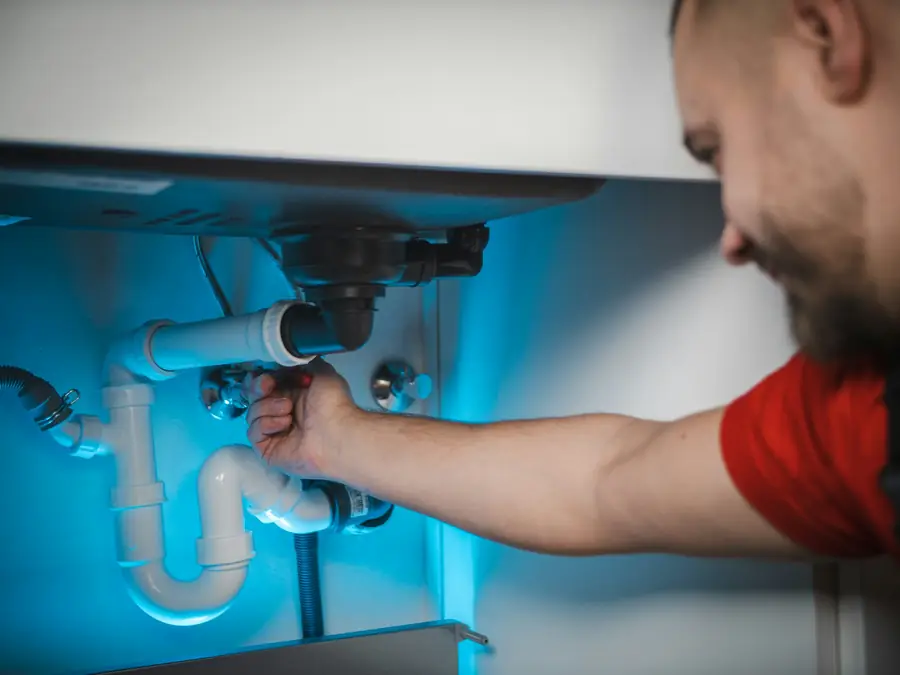
A burst pipe can put hundreds of gallons on the floor before anyone notices. The first thing to do is always the same: close the main shutoff valve. Everything else can wait five minutes.
If a pipe just burst
- Close the main water shutoff. Know where yours is before you need it.
- Open a faucet at the lowest point in the house to drain the lines.
- Turn off power to wet rooms, but only from a dry spot.
- Turn off the water heater if the house will be without water for a while.
- Take photos, then call a plumber for the pipe and a restoration company for the water.
What February 2021 taught Midland
During the February 2021 arctic outbreak, the National Weather Service recorded minus 2°F at Midland International on February 15. The high that day only got to 15°F. The NWS Midland office counted 8 straight days below freezing, breaking the old record of 5 days set in 2007, and February 2021 went down as the coldest February on record for the city.
Houses here are built for heat. Pipes run through outside walls, attics and garages because most years that is fine. When the water in a pipe freezes it expands, and the American Red Cross warns that this can break pipes no matter how strong they are. Many leaks didn't show until the ice melted and pressure came back, sometimes days after the coldest night.
Where pipes freeze first
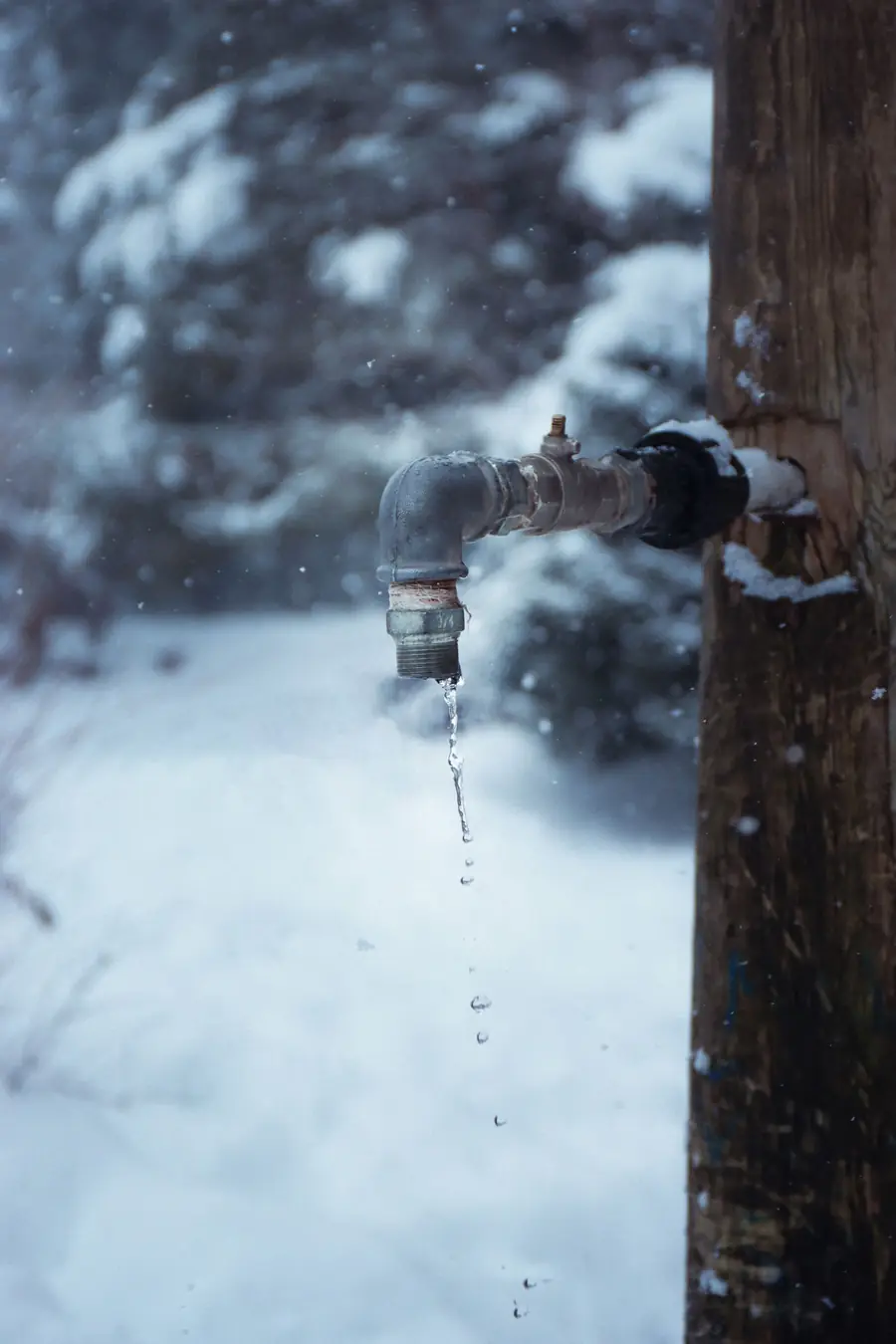
The Red Cross lists the usual suspects: pipes exposed to severe cold, like outdoor hose bibs, swimming pool supply lines and sprinkler lines; pipes in unheated areas like attics, crawl spaces, garages and kitchen cabinets; and pipes that run along exterior walls with little insulation.
Before a hard freeze
- Disconnect garden hoses and drain outdoor faucets. Use faucet covers if you have them.
- Keep the garage door closed if water lines run through the garage.
- Open kitchen and bathroom cabinet doors so warm air reaches the pipes.
- Let cold water drip from faucets served by exposed pipes. Moving water is harder to freeze.
- Keep the thermostat at the same setting day and night. If you leave town, the Red Cross says to set the heat no lower than 55°F.
Thawing a frozen pipe safely
If you turn on a faucet and get a trickle or nothing, a pipe may be frozen. Keep the faucet open so water can flow once it melts. Warm the pipe with a hair dryer, a heating pad or towels soaked in hot water. Never use an open flame like a torch, propane heater or charcoal stove. If you can't find the frozen spot or can't reach it, call a plumber.
Water heaters and supply lines
Not every burst pipe is a winter story. Midland's water runs 400 to 600 parts per million hard, according to the City, and the USGS notes that hard water scale can shorten the life of a water heater. Braided supply lines to toilets and sinks, ice maker lines and washer hoses also wear out. Checking them once a year, and replacing rubber washer hoses with braided steel, costs little.
Slab leaks
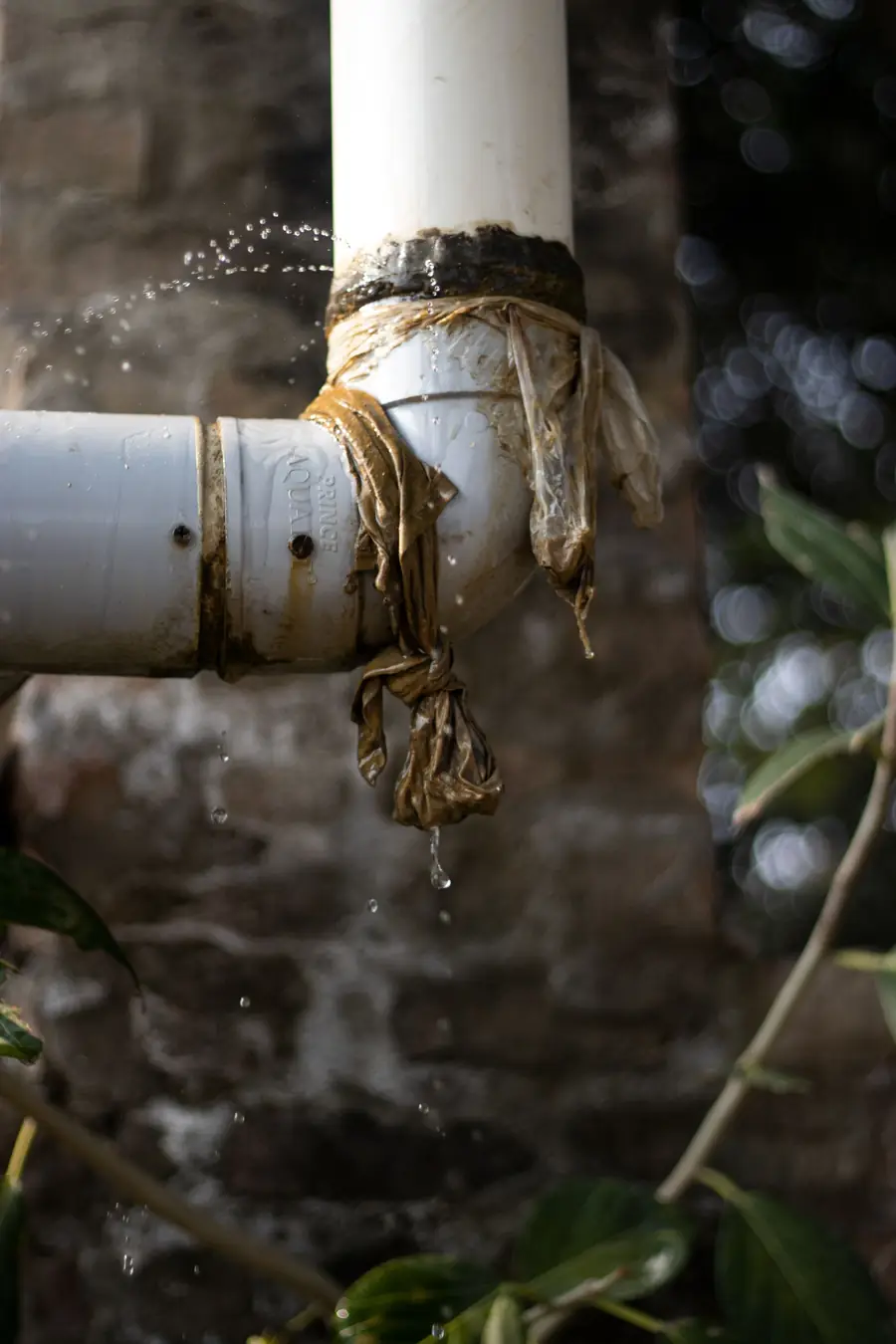
Many Midland homes sit on a concrete slab with water lines underneath. A leak there may show up as a warm spot on the floor, the sound of running water when everything is off, damp carpet with no obvious source, or a higher water bill. A plumber has to locate and repair the line first. Drying the house before the leak is fixed only buys time.
Sources: NWS Midland, February 2021 arctic outbreak, NWS Midland 2021 climate summary, American Red Cross, City of Midland water FAQ, USGS, Texas Department of Insurance. Checked October 2026.
Common questions
Should I drip my faucets during a Midland freeze?
The American Red Cross recommends letting cold water drip from faucets served by exposed pipes during very cold weather, because running water helps keep pipes from freezing.
Is a burst pipe covered by insurance in Texas?
Often, yes. The Texas Department of Insurance lists a burst pipe as an example of sudden and accidental water damage that most home policies cover. Repairs for a pipe that leaked slowly over time usually are not.
The pipe is fixed. Do I still need a restoration company?
If water soaked into carpet, drywall or cabinets, yes. The plumber fixes the pipe. Drying the structure is a separate job, and skipping it is how a fixed leak turns into a mold problem later.