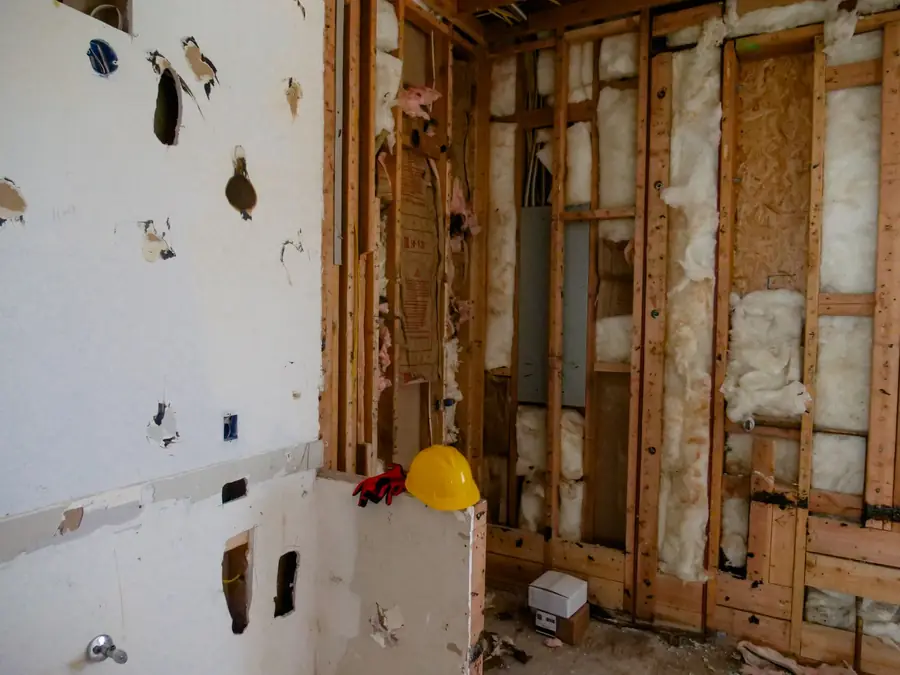
Restoration covers everything between "there's water on the floor" and "the house is back to normal." On a typical Midland job that means finding every wet spot, pulling the water out, drying the structure, cleaning what got touched, and replacing what couldn't be saved.
What a restoration job includes
Inspection
The crew traces the source, checks the walls, floors and cabinets with moisture meters, and maps how far the water went. Drywall can read wet well above where the floor water was.
Extraction
Standing water comes out first, with extractors on carpet and pad and squeegees and pumps on hard floors. See water extraction and flood cleanup.
Removal
Materials that won't dry or aren't safe to keep come out. That often means carpet pad, the bottom 2 feet of drywall, baseboards, and wet insulation.
Drying
Air movers push air across wet surfaces and dehumidifiers pull the moisture out of the room. Wall cavities sometimes get small holes drilled near the floor so air can get inside.
Cleaning
Anything touched by gray or black water gets cleaned and treated before it is closed back up.
Repairs
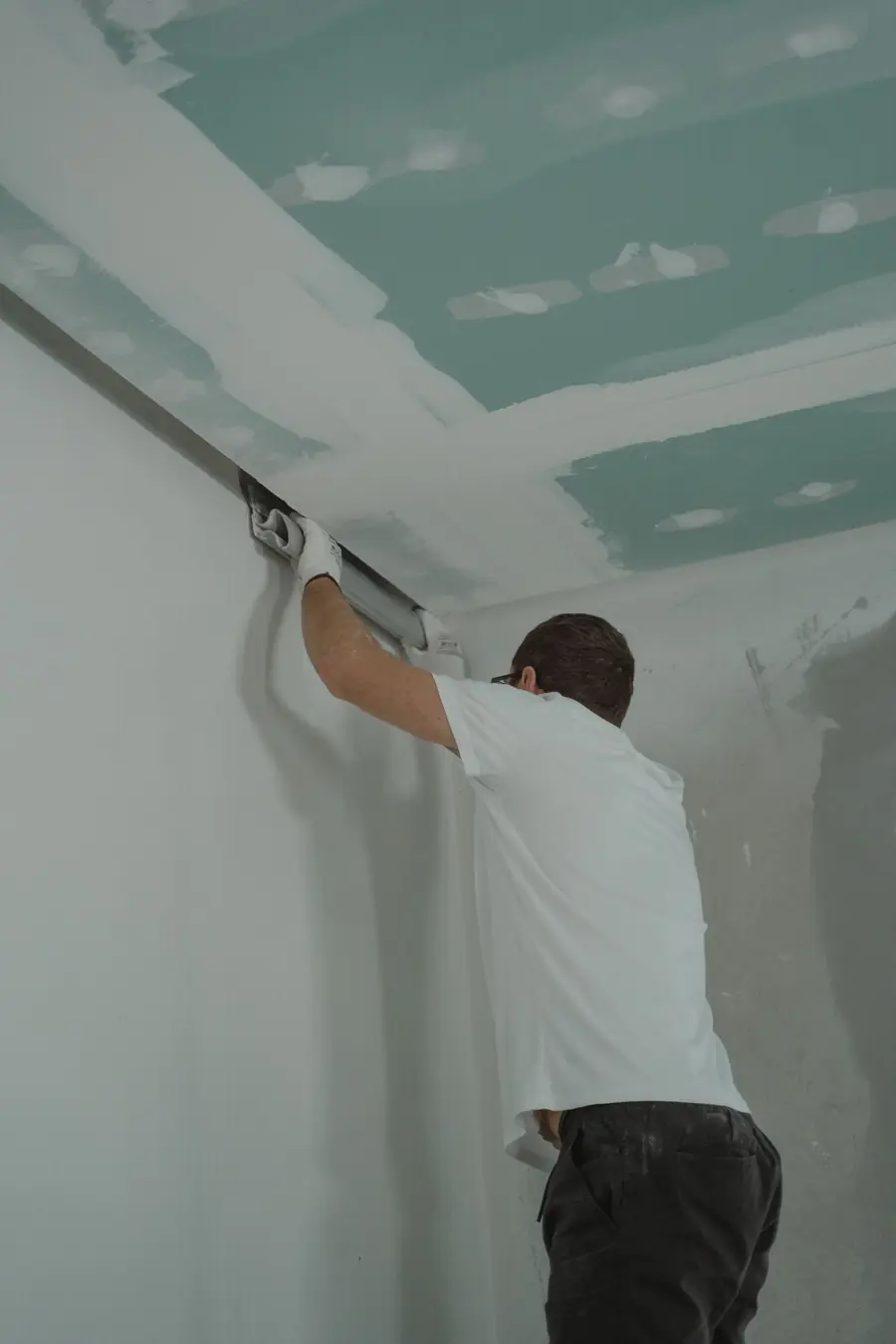
Drywall, paint, trim, flooring and cabinets go back in once everything reads dry.
Clean, gray and black water
Restoration companies sort water into three categories, following the IICRC S500 drying standard. The category decides what can be saved.
| Type | Common sources | What usually happens |
|---|---|---|
| Clean water | Supply line, water heater, ice maker line | Carpet and drywall can often be dried in place if work starts fast. |
| Gray water | Washing machine, dishwasher, toilet overflow without waste | Pad usually comes out. Surfaces get cleaned and treated. |
| Black water | Sewage backup, floodwater from outside | Porous materials it touched are removed and thrown out. |
Clean water doesn't stay clean. Left sitting for a day or two in a warm house, it picks up whatever is in the carpet and subfloor, and the category can get worse.
Signs of hidden water damage
- Brown rings or bubbling paint on a ceiling
- Baseboards pulling away from the wall, or cabinet bottoms that have swollen
- Vinyl plank or laminate that has cupped or lifted at the seams
- A musty smell in one room or closet
- A water bill that jumped with no change in how you use water
If you see any of these, find and stop the source first. Then get moisture readings before anyone paints over a stain or replaces flooring.
How long drying takes
Most clean water jobs need several days of equipment running. Hardwood, plaster and water that soaked in overnight take longer. Don't judge it by how the surface feels. Ask the crew for the daily moisture readings and for a final reading that shows each area is back to normal before anything gets closed up. The EPA says water damaged areas should be dried within 24 to 48 hours to prevent mold, which is why the first day matters more than the last.
What it costs
Angi's 2026 national figures put the average restoration job at $3,868, with most people paying between $1,383 and $6,369, and the per square foot cost rising from about $3.50 for clean water to $7.50 for black water. Your price depends on square footage, water type, materials and whether the rebuild is included. If the loss is covered, what you pay out of pocket is usually your deductible plus anything the policy excludes. See insurance claim help.
Questions to ask the restoration company
- Who is your contact person, and how do you reach them after hours?
- Will they send photos, moisture logs and an itemized estimate to you and your adjuster?
- Do they do the repairs too, or does someone else?
- Can they show proof of insurance?
Sources: EPA, Angi cost guide. Checked October 2026.
Common questions
Do I have to rip out wet drywall?
Not always. Drywall soaked by clean water and dried quickly can often stay. Drywall that sat wet for days, touched gray or black water, or has started to grow mold usually comes out, typically the bottom 2 feet or so.
Can I stay in the house while it dries?
Usually, for a clean water job. The equipment is loud and puts out heat, so many people close off the affected rooms. With sewage or floodwater, or if the power or HVAC is affected, ask the crew whether it is safe.
Why does the crew want to leave equipment for days?
Floors and walls dry from the inside out. A carpet can feel dry on top while the pad and subfloor are still wet. Daily readings show when the materials are actually dry.